

What types of ice does a modular chip ice maker produce?
Dec 04, 2025
As a supplier of modular chip ice makers, I've had the privilege of witnessing the diverse applications and benefits of the different types of ice these machines can produce. In this blog post, I'll take you through the various ice types generated by modular chip ice makers, exploring their unique characteristics, uses, and advantages.
Chip Ice
Chip ice, also known as flake ice, is one of the most common types of ice produced by modular chip ice makers. This ice is made up of small, thin, and irregularly shaped ice flakes. The size of these flakes can vary, but they are typically around 1/4 to 1/2 inch in diameter.
Characteristics
- Soft and malleable: Chip ice is soft and can easily conform to the shape of the container or the product it is used with. This makes it ideal for applications where the ice needs to fit around delicate items.
- High surface area: The thin and irregular shape of chip ice provides a large surface area, which allows for rapid cooling. This makes it very effective at lowering the temperature of products quickly.
- Fast melting rate: Due to its high surface area and soft texture, chip ice melts relatively quickly. This can be an advantage in applications where a continuous supply of cold is needed, but it also means that it may not be suitable for long - term storage.
Uses
- Food display and preservation: Chip ice is commonly used in grocery stores, seafood markets, and restaurants to display and preserve fresh produce, meat, and seafood. It keeps the products cool and moist, extending their shelf life and maintaining their visual appeal.
- Medical applications: In the medical field, chip ice is used for cooling during surgical procedures, storing biological samples, and treating injuries. Its soft texture makes it gentle on the skin and tissues.
- Concrete cooling: In the construction industry, chip ice is added to concrete mixtures to lower the temperature of the concrete during the mixing process. This helps to prevent cracking and improve the strength and durability of the concrete.
Crescent Ice
If you're interested in a different type of ice, you might want to check out our Modular Crescent Ice Maker. Crescent ice, as the name suggests, is shaped like a crescent moon. It is larger and more solid than chip ice.
Characteristics
- Solid and durable: Crescent ice is denser and more solid than chip ice, which means it has a slower melting rate. This makes it suitable for applications where ice needs to last longer.
- Good for beverages: The shape of crescent ice allows it to fit well in glasses and tumblers, and it doesn't dilute drinks as quickly as chip ice. It provides a good balance between cooling and longevity.
- Attractive appearance: The unique crescent shape gives the ice an aesthetically pleasing look, which can enhance the presentation of beverages in bars, cafes, and restaurants.
Uses
- Beverage service: Crescent ice is a popular choice for serving cocktails, soft drinks, and other beverages. Its slow - melting nature ensures that the drink stays cold without becoming overly diluted.
- Ice sculptures: Due to its solidity and shape, crescent ice can be used in ice sculpture making. Artists can carve and shape it to create intricate designs.
Snowflake Ice
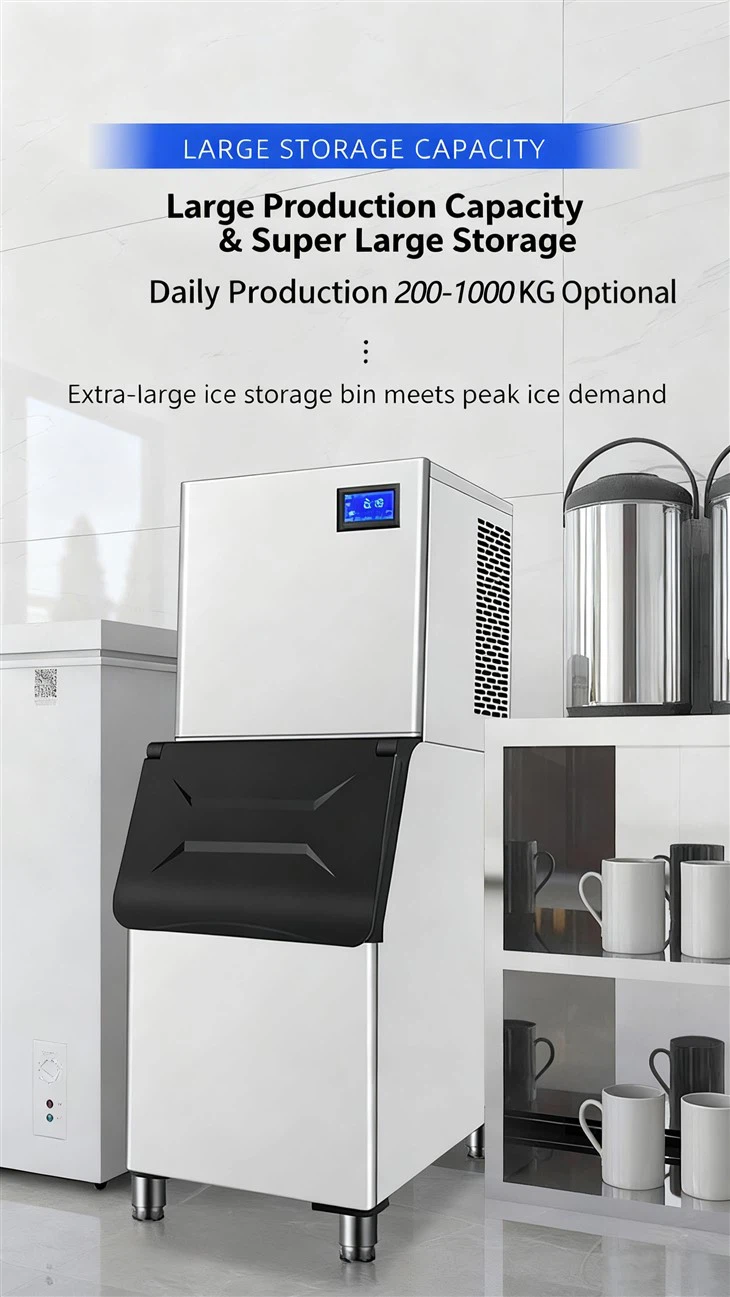
Our Modular Snowflake Ice Maker produces snowflake ice, which has its own distinct features. Snowflake ice is made up of small, light, and fluffy ice particles that resemble snowflakes.

Characteristics
- Light and airy: Snowflake ice is very light and has a low density. It is easy to handle and can be spread evenly over a large area.
- High cooling capacity: Despite its lightness, snowflake ice has a large surface area, which allows it to cool products effectively. It can absorb a significant amount of heat quickly.
- Soft texture: Similar to chip ice, snowflake ice has a soft texture, making it gentle on products and easy to work with.
Uses
- Bakery and confectionery: Snowflake ice is used in bakeries and confectioneries to cool dough, prevent chocolate from melting, and keep pastries fresh. Its light texture won't damage delicate baked goods.
- Fish and poultry processing: In the food processing industry, snowflake ice is used to cool fish and poultry during processing. It helps to maintain the quality and safety of the products.
Cube Ice
Another option is cube ice, which can be produced by our Modular Cube Ice Maker. Cube ice is the most traditional and well - known type of ice.
Characteristics
- Uniform shape and size: Cube ice is typically produced in a standard cube shape, with consistent size. This makes it easy to measure and use in various applications.
- Slow melting rate: Cube ice is denser than chip and snowflake ice, so it has a slower melting rate. It can keep drinks cold for a longer period of time.
- Versatile: Cube ice can be used in a wide range of applications, from home refrigerators to large - scale commercial operations.
Uses
- Home use: Cube ice is commonly used in home refrigerators and freezers for making drinks, cooling food, and keeping ice chests cold during picnics and outdoor activities.
- Commercial beverage service: In bars, restaurants, and hotels, cube ice is used for serving a variety of beverages, including water, soda, and spirits.
Conclusion
As a supplier of modular chip ice makers, I understand that different industries and applications have specific requirements when it comes to ice. Whether you need the rapid cooling of chip ice, the long - lasting nature of crescent ice, the lightness of snowflake ice, or the versatility of cube ice, there is a modular ice maker that can meet your needs.
If you're in the market for a modular ice maker and want to discuss which type of ice is best for your business, or if you have any questions about our products, I encourage you to reach out. We're here to help you make the right choice and ensure that you get the most out of your ice - making equipment.
References
- "Ice Making Technology and Applications" by John Smith
- "Commercial Ice Makers: A Comprehensive Guide" by Jane Doe
- Industry reports from the Food Service Equipment Manufacturers Association