

What is the water quality requirement for a Modular Flake Ice Maker?
Dec 05, 2025
As a supplier of Modular Flake Ice Makers, I understand the critical role that water quality plays in the performance and longevity of these machines. In this blog post, I'll delve into the water quality requirements for a Modular Flake Ice Maker, why they matter, and how you can ensure your water meets these standards.
Why Water Quality Matters for Modular Flake Ice Makers
Before we discuss the specific water quality requirements, let's understand why water quality is so important for Modular Flake Ice Makers. The ice produced by these machines is used in a variety of applications, including food and beverage service, medical facilities, and industrial processes. Poor water quality can lead to several issues:
- Reduced Ice Quality: Impurities in the water can cause the ice to have an off - taste, odor, or cloudy appearance. This is unacceptable in applications where the ice comes into direct contact with food or beverages.
- Scaling and Corrosion: Minerals such as calcium and magnesium in hard water can form scale deposits on the internal components of the ice maker. Over time, these deposits can reduce the efficiency of the machine, increase energy consumption, and even cause mechanical failures. Corrosion can also occur due to the presence of certain chemicals or high levels of acidity or alkalinity in the water.
- Microbial Growth: Contaminated water can introduce bacteria, viruses, and other microorganisms into the ice maker. These microorganisms can grow and multiply in the machine, posing a health risk to consumers and potentially causing the ice maker to malfunction.
Water Quality Parameters for Modular Flake Ice Makers
To ensure optimal performance and ice quality, the following water quality parameters should be met:
1. Total Dissolved Solids (TDS)
TDS refers to the total amount of inorganic and organic substances dissolved in water. A high TDS level can lead to scaling and affect the taste of the ice. For Modular Flake Ice Makers, the recommended TDS level is typically between 50 and 500 parts per million (ppm). Water with a TDS level above 500 ppm may require pre - treatment, such as reverse osmosis or water softening, to reduce the mineral content.
2. Hardness
Water hardness is determined by the concentration of calcium and magnesium ions in the water. Hard water can cause scale buildup in the ice maker, reducing its efficiency and lifespan. The ideal hardness level for Modular Flake Ice Makers is less than 10 grains per gallon (gpg) or 170 ppm. If your water is harder than this, a water softener should be installed to remove the excess calcium and magnesium ions.
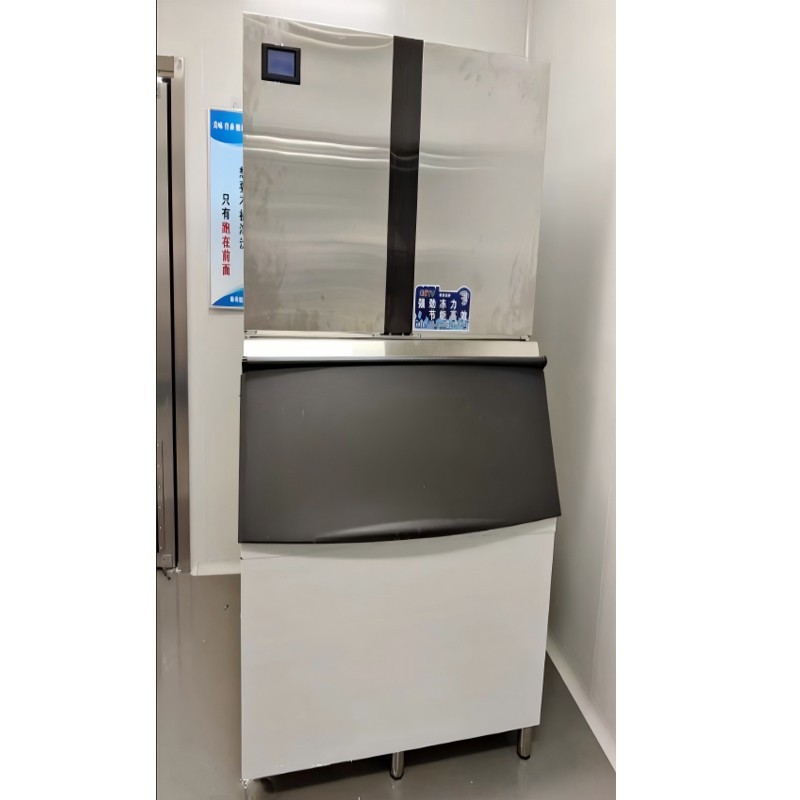

3. pH Level
The pH level of water indicates its acidity or alkalinity. A pH level between 6.5 and 8.5 is generally recommended for Modular Flake Ice Makers. Water with a pH outside this range can cause corrosion of the machine's components and affect the quality of the ice. If the pH of your water is too low (acidic), you may need to add a pH - adjusting chemical to raise it. Conversely, if the pH is too high (alkaline), you can use an acid to lower it.
4. Chlorine and Chloramines
Chlorine and chloramines are commonly used to disinfect water. While they are effective in killing bacteria and other microorganisms, high levels of these chemicals can cause corrosion in the ice maker and affect the taste of the ice. The recommended level of free chlorine in the water should be less than 1 ppm. If your water contains high levels of chlorine or chloramines, a carbon filter can be used to remove them.
5. Microbial Contamination
The water used in a Modular Flake Ice Maker should be free from harmful bacteria, viruses, and other microorganisms. The presence of these contaminants can pose a health risk to consumers and cause the ice maker to malfunction. Water should be tested regularly for microbial contamination, and if necessary, a water treatment system such as ultraviolet (UV) disinfection or ozonation can be installed to kill the microorganisms.
Testing and Treating Your Water
To ensure that your water meets the quality requirements for your Modular Flake Ice Maker, it's important to test your water regularly. You can purchase water testing kits from a hardware store or hire a professional water testing service. Based on the test results, you can determine the appropriate water treatment methods.
- Filtration: A sediment filter can be used to remove large particles such as sand, dirt, and rust from the water. A carbon filter can remove chlorine, chloramines, and some organic contaminants.
- Water Softening: If your water is hard, a water softener can be installed to remove the calcium and magnesium ions. Water softeners work by exchanging these ions with sodium ions.
- Reverse Osmosis (RO): RO is a more advanced water treatment method that can remove a wide range of contaminants, including dissolved solids, heavy metals, and microorganisms. An RO system uses a semi - permeable membrane to filter the water.
- Disinfection: UV disinfection and ozonation are effective methods for killing bacteria, viruses, and other microorganisms in the water. These systems can be installed in the water supply line to the ice maker.
Comparing with Other Modular Ice Makers
It's worth noting that while the basic water quality requirements are similar for different types of modular ice makers, there may be some variations. For example, the Modular Crescent Ice Maker and Modular Chip Ice Maker may have slightly different sensitivities to certain water contaminants based on their design and the shape of the ice they produce. However, maintaining good water quality is essential for all types of modular ice makers to ensure optimal performance and ice quality.
Conclusion and Call to Action
In conclusion, maintaining the right water quality is crucial for the proper functioning and longevity of your Modular Flake Ice Maker. By understanding the water quality requirements and implementing the appropriate water treatment methods, you can ensure that your ice maker produces high - quality ice consistently.
If you're in the market for a Modular Flake Ice Maker or need advice on water treatment for your existing machine, I'm here to help. Our team of experts can provide you with detailed information on our products and assist you in finding the best water treatment solutions for your specific needs. Don't hesitate to reach out to us for more information or to start a procurement discussion.
References
- "Commercial Ice Maker Operation and Maintenance Guide", Industry Standard Publication
- "Water Quality and Its Impact on Food and Beverage Equipment", Journal of Food Science and Technology