

How to set up the temperature alarm in an air - cooled refrigerator?
Nov 03, 2026
As a supplier of air-cooled refrigerators, I understand the importance of setting up a temperature alarm in these appliances. A properly configured temperature alarm ensures the safety and quality of the stored items, whether it's food in a commercial kitchen or medical supplies in a healthcare facility. In this blog, I'll guide you through the process of setting up a temperature alarm in an air-cooled refrigerator.

Understanding the Need for a Temperature Alarm
Air-cooled refrigerators are designed to maintain a consistent temperature to preserve the freshness and quality of the stored items. However, various factors such as power outages, door openings, or mechanical failures can cause the temperature to fluctuate. A temperature alarm acts as a safeguard, alerting you when the temperature goes outside the desired range. This early warning system allows you to take immediate action to prevent spoilage and potential losses.
Types of Temperature Alarms
There are several types of temperature alarms available for air-cooled refrigerators. The most common ones include:
- Audible Alarms: These alarms emit a loud sound when the temperature exceeds the set limits. They are ideal for environments where immediate attention is required.
- Visual Alarms: Visual alarms use lights or displays to indicate a temperature deviation. They are useful in noisy environments where an audible alarm may not be heard.
- Remote Alarms: Remote alarms allow you to receive notifications on your phone or other devices when the temperature goes out of range. This is particularly useful for monitoring multiple refrigerators or when you are away from the premises.
Steps to Set Up a Temperature Alarm
- Choose the Right Alarm System
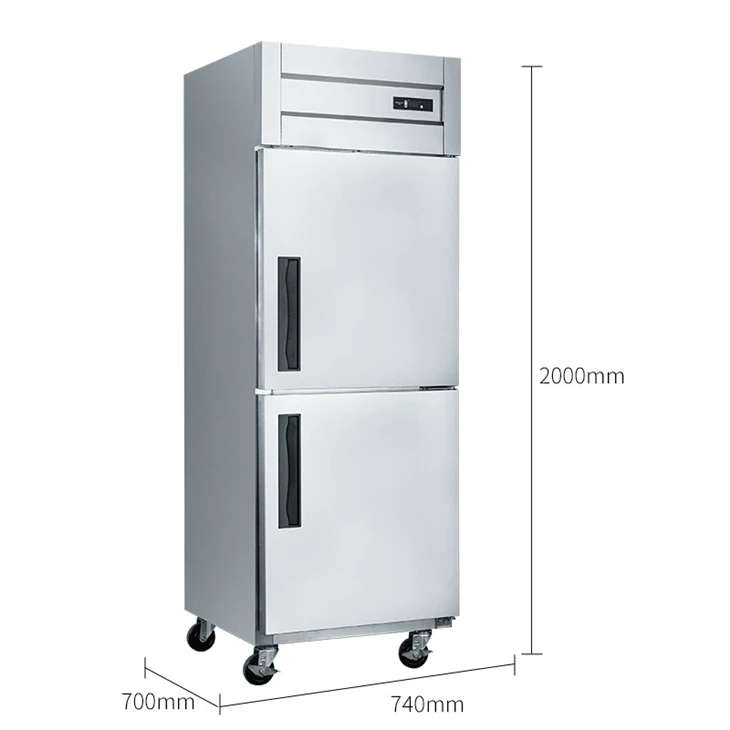
- Consider the size and type of your air-cooled refrigerator. For larger commercial units, a more sophisticated alarm system may be required. You can explore our range of 4-Door Air-Cooled Commercial Freezer, 2-Door Air-Cooled Commercial Refrigerator, and 2-Door Air-Cooled Commercial Freezer to find the best fit for your needs.
- Look for an alarm system that is easy to install and operate. Some systems come with user-friendly interfaces and clear instructions.
- Ensure that the alarm system is compatible with your refrigerator's electrical system.
- Install the Alarm Sensor
- Locate the appropriate place to install the temperature sensor inside the refrigerator. It should be placed in an area where it can accurately measure the temperature, away from direct airflow and heat sources.
- Follow the manufacturer's instructions to mount the sensor securely. Make sure the sensor is in contact with the air inside the refrigerator for accurate readings.
- Set the Temperature Limits
- Determine the ideal temperature range for your stored items. For example, food items typically require a temperature between 32°F and 40°F (0°C and 4°C).
- Use the control panel of the alarm system to set the upper and lower temperature limits. Most alarm systems allow you to adjust these limits easily.
- Test the Alarm
- Once the alarm system is installed and the temperature limits are set, test the alarm to ensure it is working properly. You can do this by temporarily raising or lowering the temperature inside the refrigerator to trigger the alarm.
- Check that the alarm emits the appropriate sound or visual signal when the temperature goes out of range.
- Configure the Notification Settings
- If you have a remote alarm system, configure the notification settings to receive alerts on your phone or other devices. You can choose to receive text messages, emails, or push notifications.
- Set up multiple contact points to ensure that you or someone else will be notified in case of an emergency.
Maintenance and Troubleshooting
- Regularly Check the Alarm System: Periodically inspect the alarm system to ensure it is functioning properly. Check the battery (if applicable) and the connections to the sensor.
- Clean the Sensor: Over time, the temperature sensor may accumulate dust or debris, which can affect its accuracy. Clean the sensor according to the manufacturer's instructions.
- Troubleshoot Common Issues: If the alarm is not working or is giving false alarms, check the settings, the sensor, and the power supply. Refer to the user manual for troubleshooting tips.
Conclusion
Setting up a temperature alarm in an air-cooled refrigerator is a crucial step in ensuring the safety and quality of your stored items. By following the steps outlined in this blog, you can easily configure an alarm system that meets your needs. If you have any questions or need further assistance, feel free to contact us for more information. We are here to help you make the most of your air-cooled refrigerator and ensure the optimal performance of your temperature alarm system.
References
- Manufacturer's manuals of air-cooled refrigerators and temperature alarm systems.
- Industry standards and guidelines for temperature control in refrigeration.